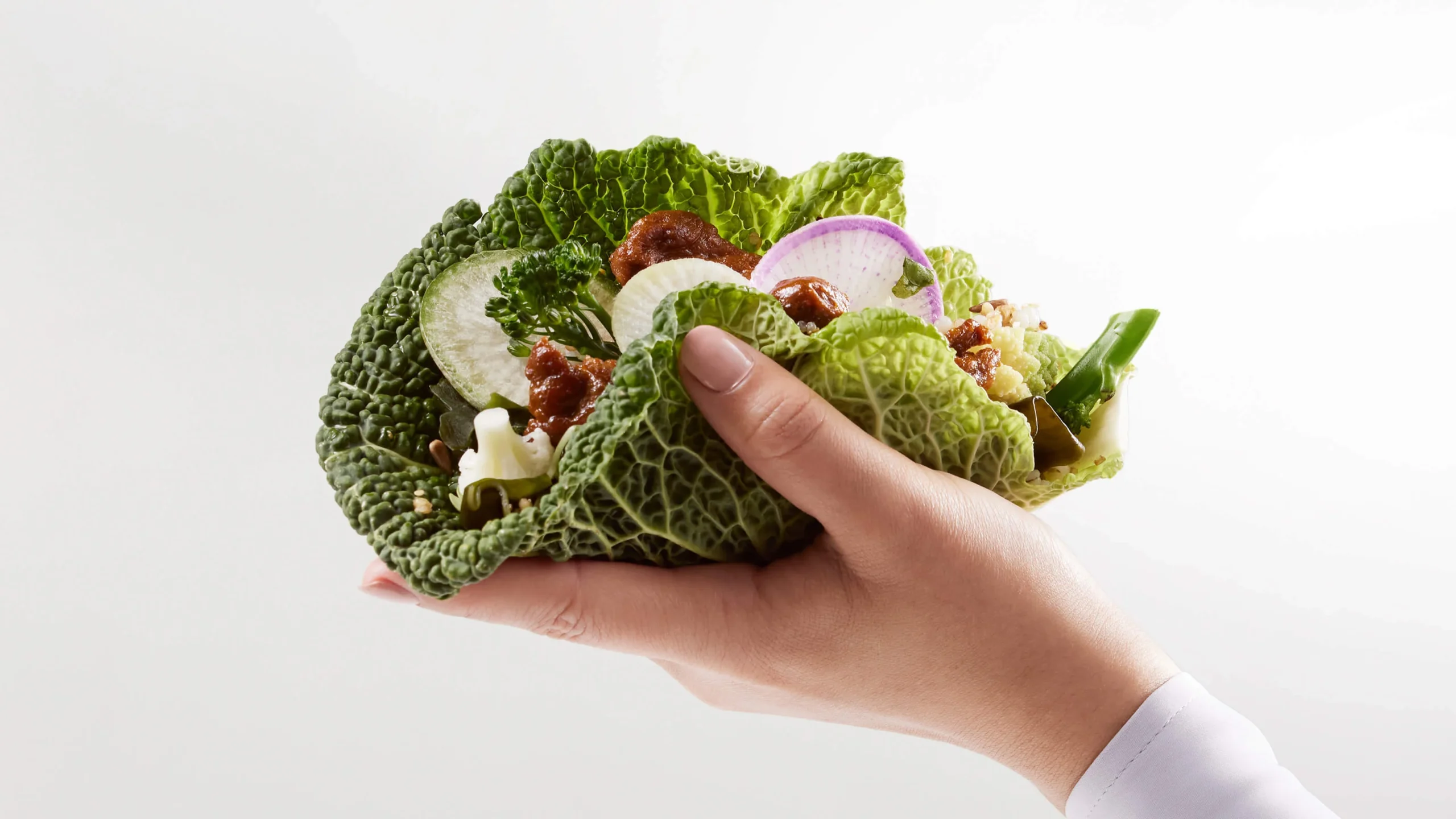
The future of food will inevitably contain changes since the present way of producing food is driving climate change, soil degradation and the destruction of Earth’s biodiversity. The good news is that even though the food of tomorrow will be inherently different compared to today — it will look, feel, and taste like what you are used to.
More carrot, less stick
Solar Foods has a food production solution that creates a better tomorrow, bite by bite. A food out of thin air, which does not require agriculture and at a global scale can tip the balance toward carbon negativity. However, sustainable choices only matter if people are ready to make them.
Change is stressful when it is imposed on us. The feeling is amplified when something very familiar, such as the food we eat every day, is put into question. If and when governments start to take action against unsustainable agricultural practices and factory farming, is the age of eating meat over? Will we be priced out of our favourite comfort foods? Will the local supermarket still stock the foods you buy every week? Will the future taste the same?
Your grocery list hasn’t changed, the ingredients in your groceries have
It is extremely hard to change people’s eating preferences. For example, in Europe, we have been eating bread, cheese and ham for thousands of years. However, if you look at the ingredients of each, they have all transformed. Bread may contain palm oil and preservatives, processed cheese is made with emulsifiers and pigs are fed soybeans — all of these changes have happened in the last century. The food has remained familiar, but it is not the same.
Food producers have successfully developed their products for years to bring us the variety of foods with different ingredients we have today. Most of the time the results are beneficial, making the food slower to spoil, easier to produce, or safer and tastier to eat. We can only expect more food development in the future. The next round of food development will be one that tackles the ethical and ecological problems of food production.