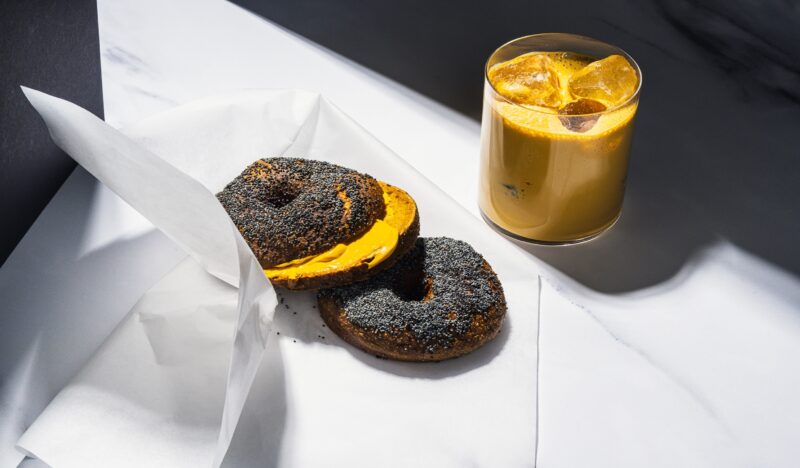
What sets Solein apart is its minimal reliance on natural resources compared to conventional agricultural methods. Traditional plant-based protein sources require significant amounts of water, land, and fertilisers, not to mention the extensive agricultural infrastructure. Solein can be cultivated in bioreactors, controlled environments where their growth conditions – temperature, pH, gas concentrations – are meticulously managed. This process eliminates the need for arable land, drastically reduces water usage, and circumvents the need for chemical fertilisers made with fossil fuels.
Solein’s ancient roots: the dawn of microbial nutrition
“Solein is more than a mere product; it represents the seamless integration of nature’s ancient processes with the pinnacle of modern technology,” Susanna Mäkinen, Head of Biology at Solar Foods, states.
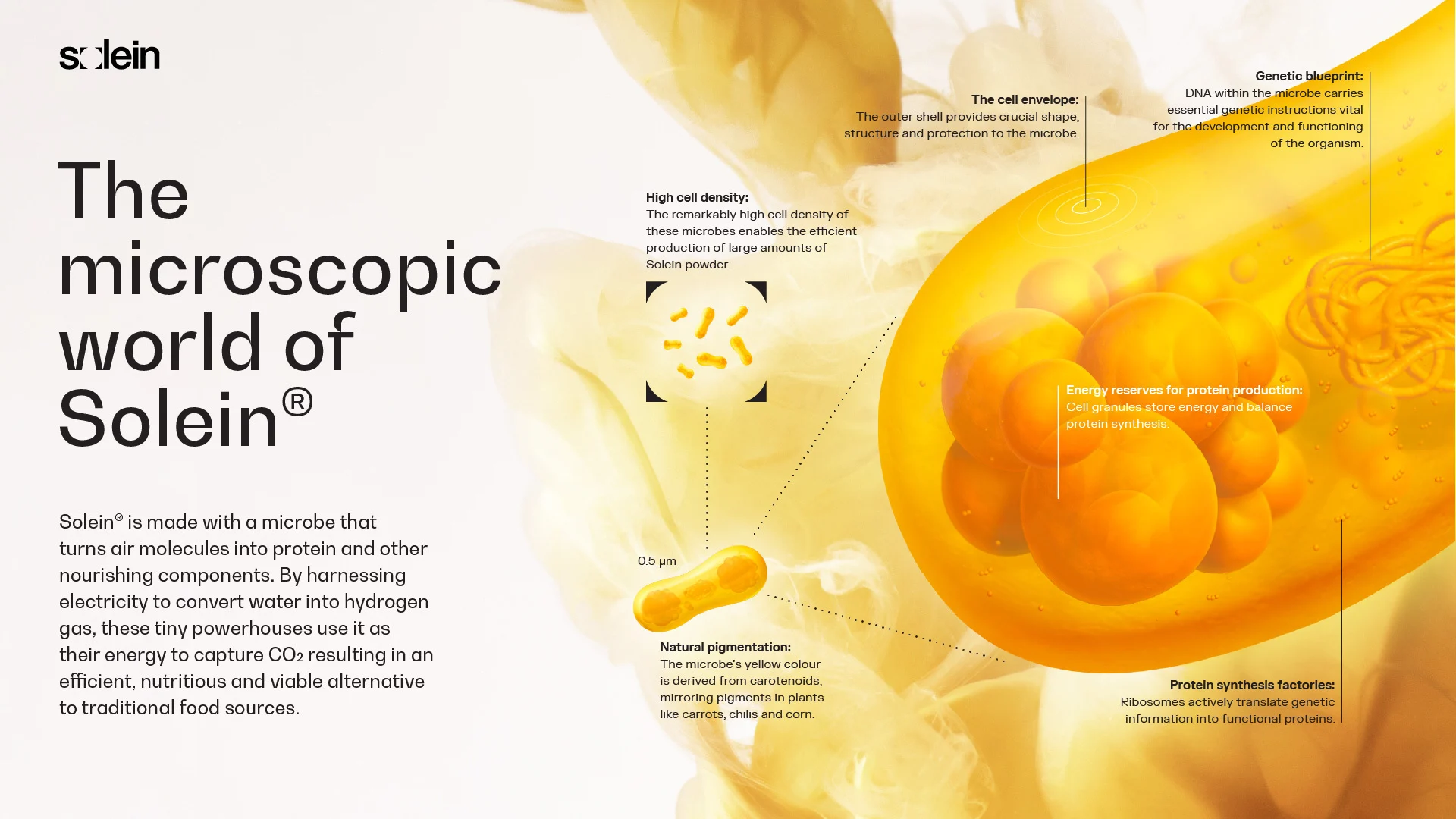
The microbe at the heart of Solein’s story was plucked from the rich biodiversity of Finland’s nature. Little did it know that it would be the ancestor of trillions of similar yellow cells.
Microbes are the seeds of life. These invisible yet omnipresent life forms have been an integral part of Earth’s ecosystems since life first stirred in the ancient oceans. These microorganisms, far predating the emergence of plants and animals, have been the unsung heroes and foundational blocks of life as we know it.
The relationship between humans and microbes is one deeply rooted in history. Long before the dawn of civilization, our ancestors were unwittingly harnessing the power of these microscopic beings. The fermentation of wine and yoghurt, the leavening of bread – these were our early forays into biotechnology, where microbes were the unseen workers. Microbes were unknowingly employed over millennia to transform basic ingredients into foods with enhanced taste, texture, and nutritional value.
In the ancient world, fermentation was akin to a form of alchemy. Yeast was used to convert the sugars in grains and fruits into alcohol and carbon dioxide, giving rise to some of humanity’s oldest beverages – wine and beer. Similarly, the art of bread-making was revolutionised by the discovery of yeast’s ability to cause dough to rise, creating the soft, airy texture that has become a staple across cultures. In dairy products like yoghurt and cheese, lactic acid bacteria played a crucial role, not only in flavour development but also in preserving these foods in times when refrigeration was non-existent.
These early applications of microbes in food production were more than mere culinary experiments; they were integral to the survival and development of human societies. Fermented foods provided essential nutrients, were safer to consume due to their lower pH inhibiting pathogen growth, and had longer shelf lives – crucial advantages for our nomadic ancestors and growing civilisations.
Solein’s uniqueness in the modern market
Solein stands out in the emerging market of alternative proteins of plant-based meats, lab-grown meats and glucose-fed mycoproteins. It is not derived from plants, animals or fungi nor does it require extensive resources like sugar or other solid feedstocks, like many other microbial proteins do. Its production is based on a simple yet revolutionary concept: separating water into hydrogen and oxygen with electricity and growing microbial protein with those gases and CO2. This not only sets it apart from other protein sources but also minimises its environmental footprint.
“Solein represents a transformative shift in terms of scalability and efficiency within the food system,” asserts Susanna Mäkinen of Solar Foods. The potential for Solein’s production, when coupled with renewable energy sources, is virtually limitless, marking a significant technological leap in food production. In terms of production efficiency, Solein significantly outperforms photosynthetic plants, even when calculating the land area for solar energy generation used in its production. This advancement is not just about quantity; it’s a qualitative shift as well. Solein is a powerhouse of nutrition, rich in essential vitamins, minerals, proteins, fats, and carbohydrates, illustrating the immense potential of microbes in fulfilling global nutritional needs.
Its ability to blend into various culinary contexts, from baking to beverages, makes it an attractive option for both consumers and food manufacturers. As awareness grows about the environmental impact of food choices, Solein stands as a testament to the possibilities of consuming responsibly without compromising on taste or nutritional value.
In a consumer culture increasingly driven by a consciousness of the environmental and health impacts of food, Solein is poised to play a pivotal role. Its market presence goes beyond being just another alternative protein; it represents a shift in consumer values towards sustainability and nutrition.
Looking back to move forward
As revolutionary as it is, a microbe like Solein is not a rarity. Mäkinen states: “There are thousands of unique microbial species out there, each with their own biological and functional properties. Who knows what possibilities await to be discovered.” Solar Foods’ quest to explore new organisms reflects their commitment to creating a sustainable, diverse future of food.