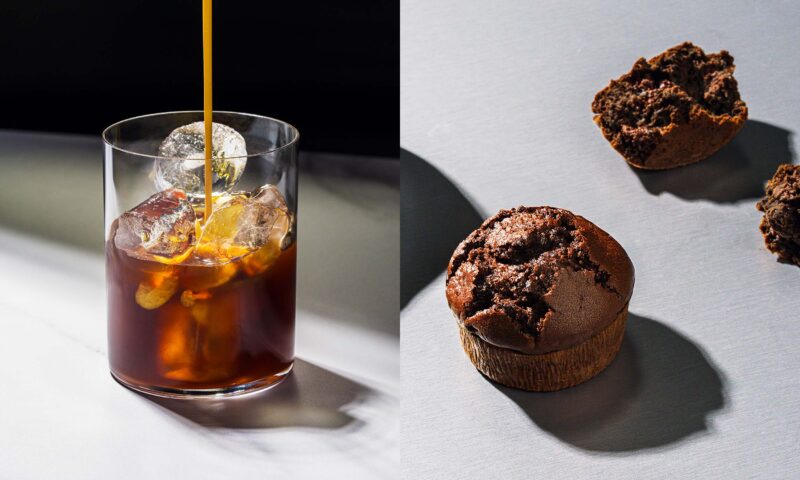
Modern consumers are not eating more. They are eating more often. People increasingly “graze” rather than sit down for full meals, eating small amounts throughout the day, between meetings, after workouts, or while on the move. Snacks used to be an indulgence, something to avoid if you wanted to maintain a healthy way of life. The modern protein snack, however, has become much more than a filler between meals. The reasons are numerous: busy, active lifestyles, health trends such as boosting metabolism, the growing demand for functional food and products for for example GLP-1 users or people on a weight-management journey. Protein has emerged as a proxy for health, performance and even virtue. Protein-rich muffins, bars, cookies, pancakes and chips now line supermarket shelves.
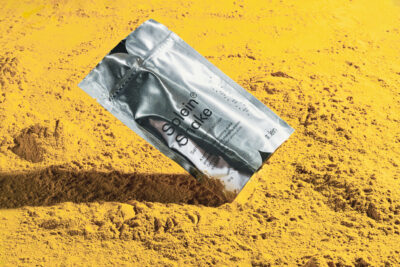
Solein, a microbial protein developed by Solar Foods, offers a proposition that is both radical and pragmatic: In practical terms, Solein is made with carbon dioxide and hydrogen, gases derived from the air, using just a fraction of the land and water needed for traditional protein production. It is also a nutritionally exceptional, highly versatile protein source with no artificial ingredients, combining the best characteristics of plant-based and animal-based proteins.
The new snack lab
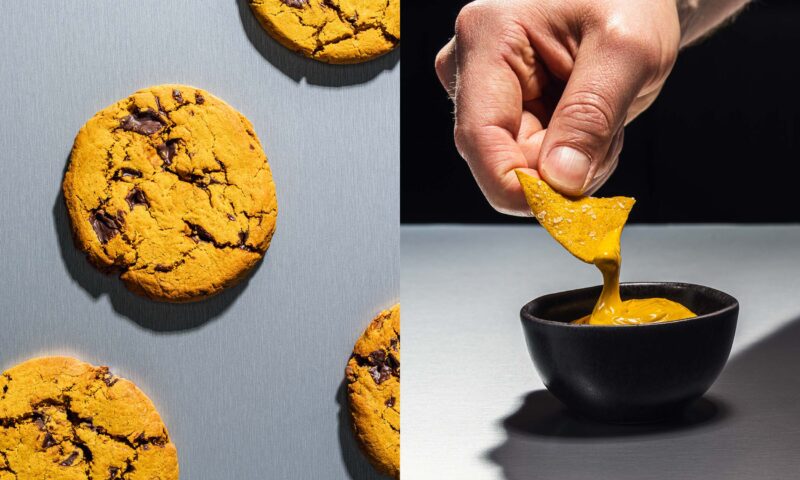
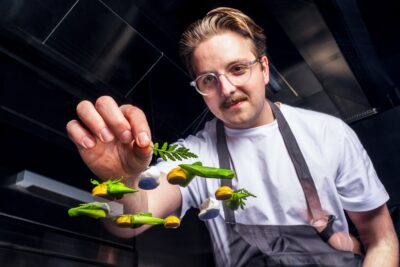
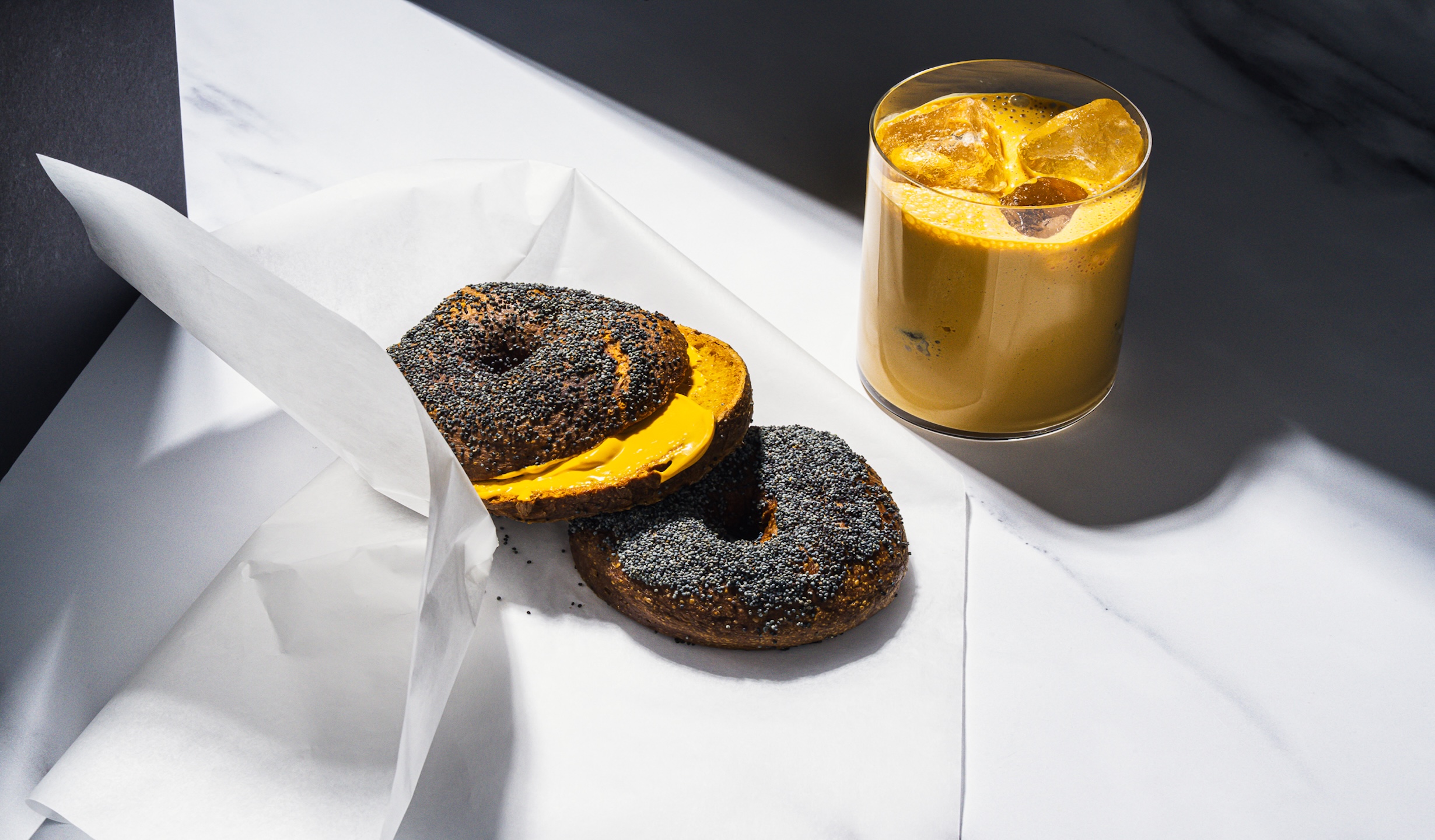
In Solar Foods’ “Solein Kitchen”, Head Chef at Solar Foods Miikka Manninen and his colleagues have been reimagining familiar snacks with added protein, fewer ingredients, and a smaller environmental footprint, without relying on animal-based ingredients. Rather than recreating what already exists, they’re asking how Solein can improve both the experience and nutrition of everyday snacks. The only difference to the eye is the energetic, golden yellow hue, which derives from carotenoids, just like in carrots.